pNet / APPROACH
From context to verification
We begin with the task and its boundaries, build a small verifiable result, then leave a clear way to operate it. The tool list follows the problem.
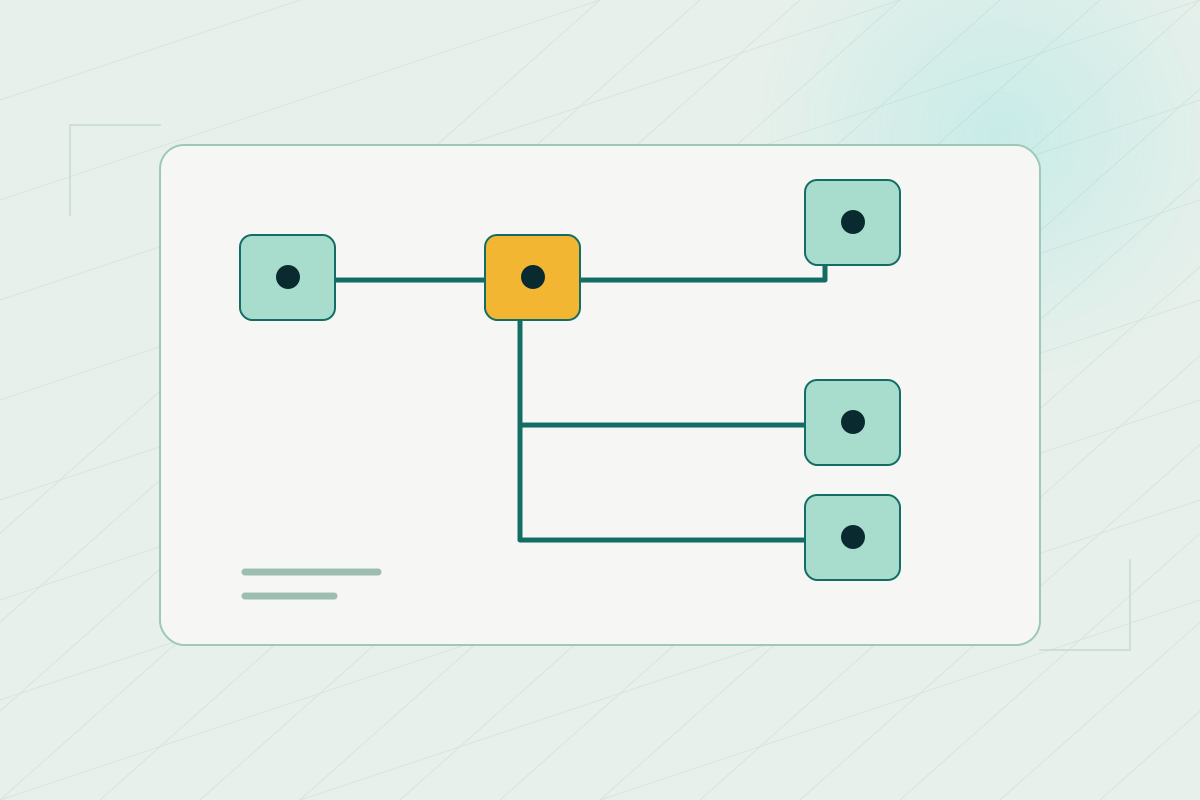
pNet / SYSTEM
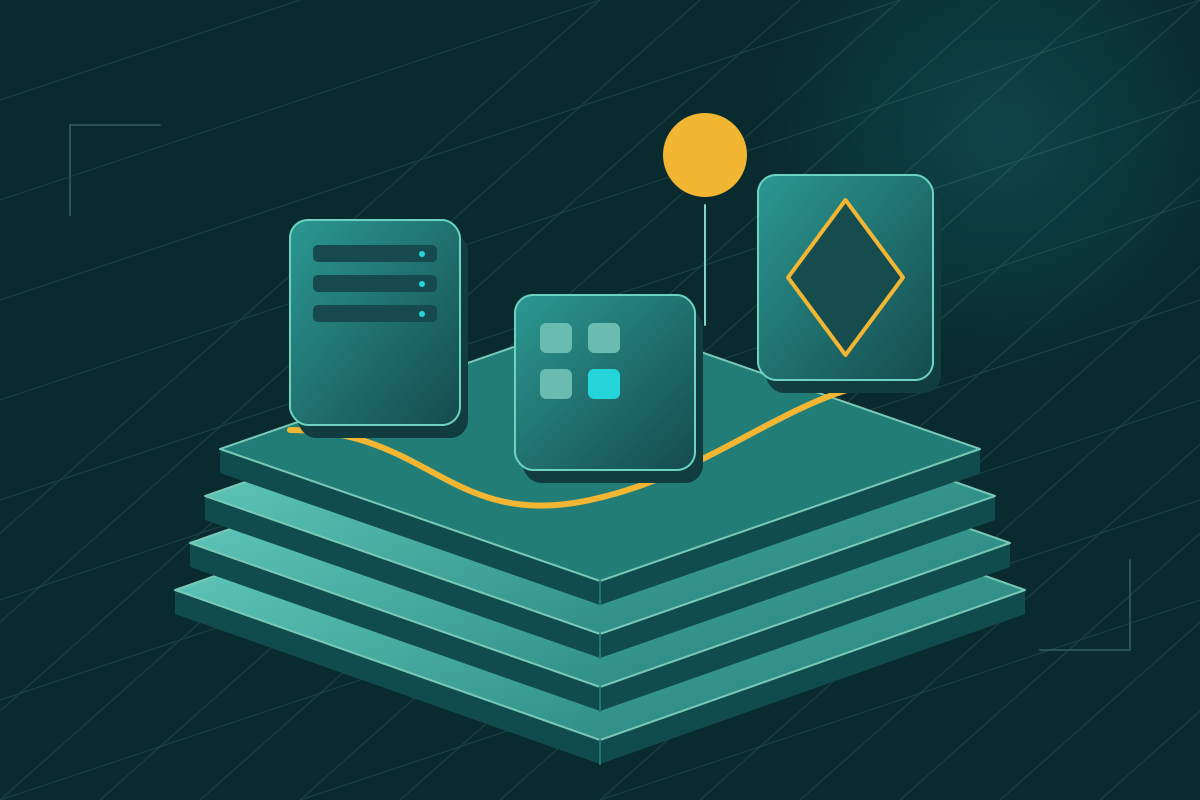
Separate responsibilities. One connected system.
A sound technical foundation supports business processes. Automation removes repetition where the rules and expected result are already understood. Each layer has its own responsibility.
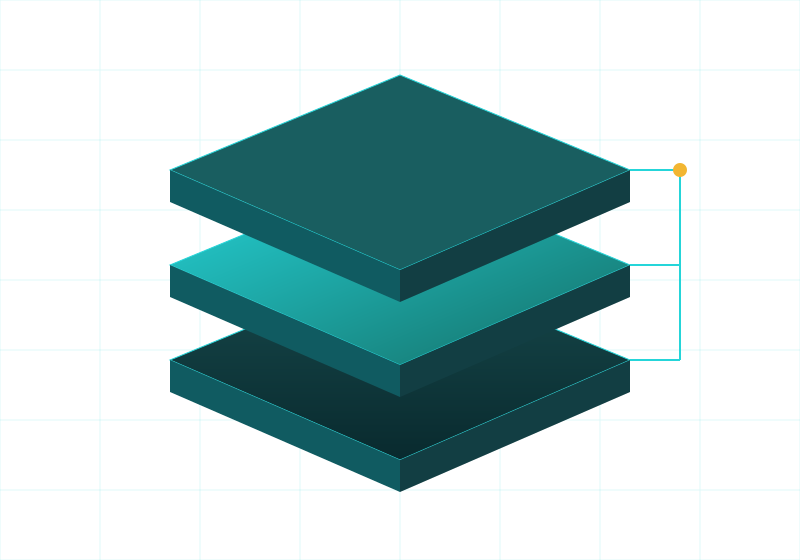
 01
01Understand the context
What is getting in the way, who uses the system and which outcome would improve the situation.
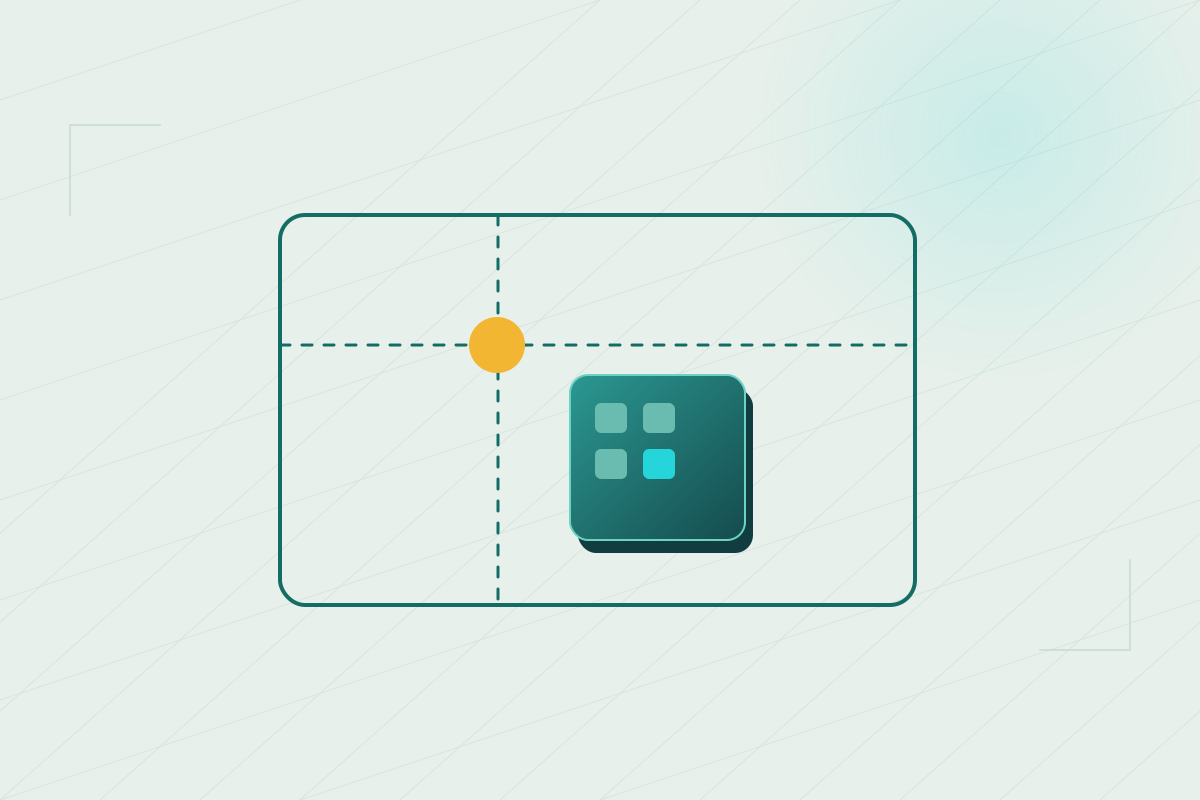 02
02Define the boundaries
Data, access, dependencies, allowed effects and conditions for returning to a known state.
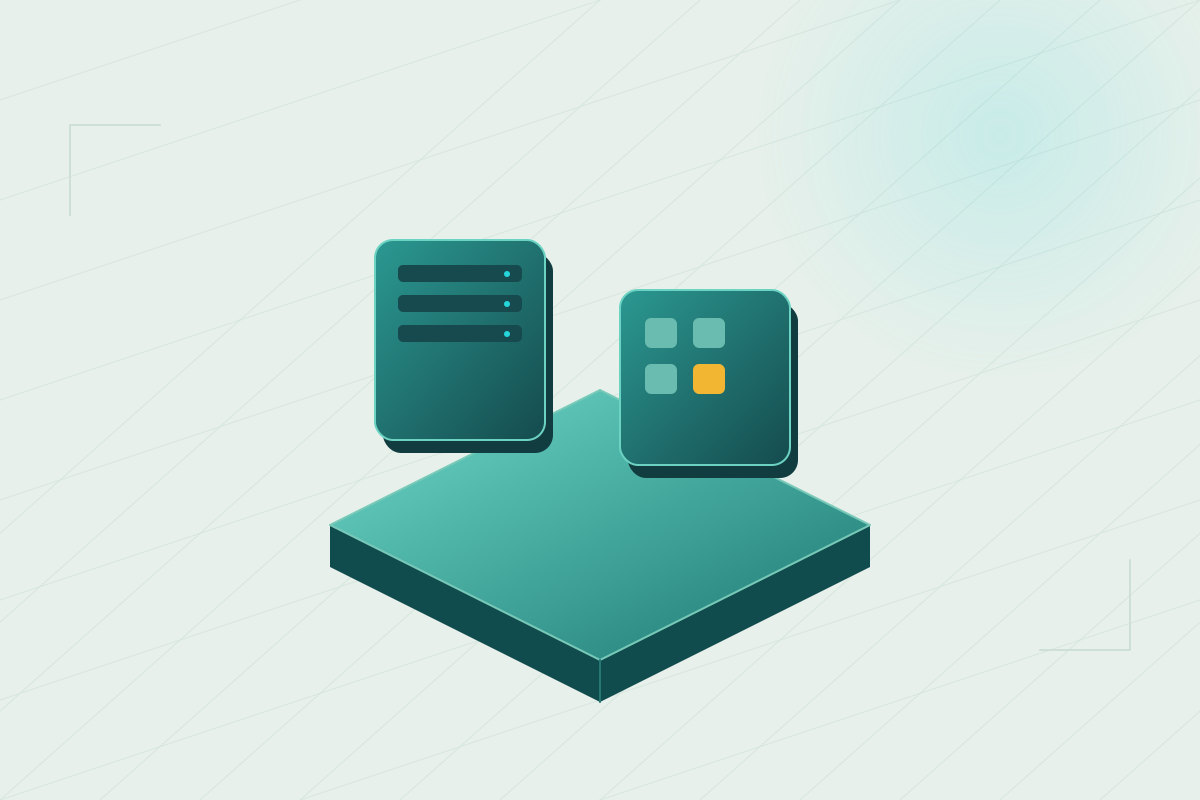 03
03Build a working step
The smallest connected part of a process that can be tested in the assigned environment.
 04
04Verify and hand over
Real scenarios, limitations, documentation and responsibility for the next step.
Foundation before complexity
Start with what supports the work: environments, access, data and a clear change procedure. This makes it easier to see what can be reused and what genuinely needs to change.
Native before custom
In Odoo, consider available features and configuration first. Add custom code for a specific need they cannot meet. Avoiding unnecessary customisation makes the solution easier to understand and develop.
Test the actual task
Agree on acceptance criteria before implementation. Check not just whether the application starts, but whether the agreed workflow works: the right data is accessible, actions complete and errors make sense.
pNet / OWN PROJECT
How we designed our own website
A look at our own digital brand and multipage prototype. No invented client or growth figures: the task, decisions and actual boundary of the result.
pNet / NEXT
Let’s start with your context
Describe what should work better, how it works today and the constraints you already know. A detailed technical specification is not needed for the first conversation.